
Carly Wedler
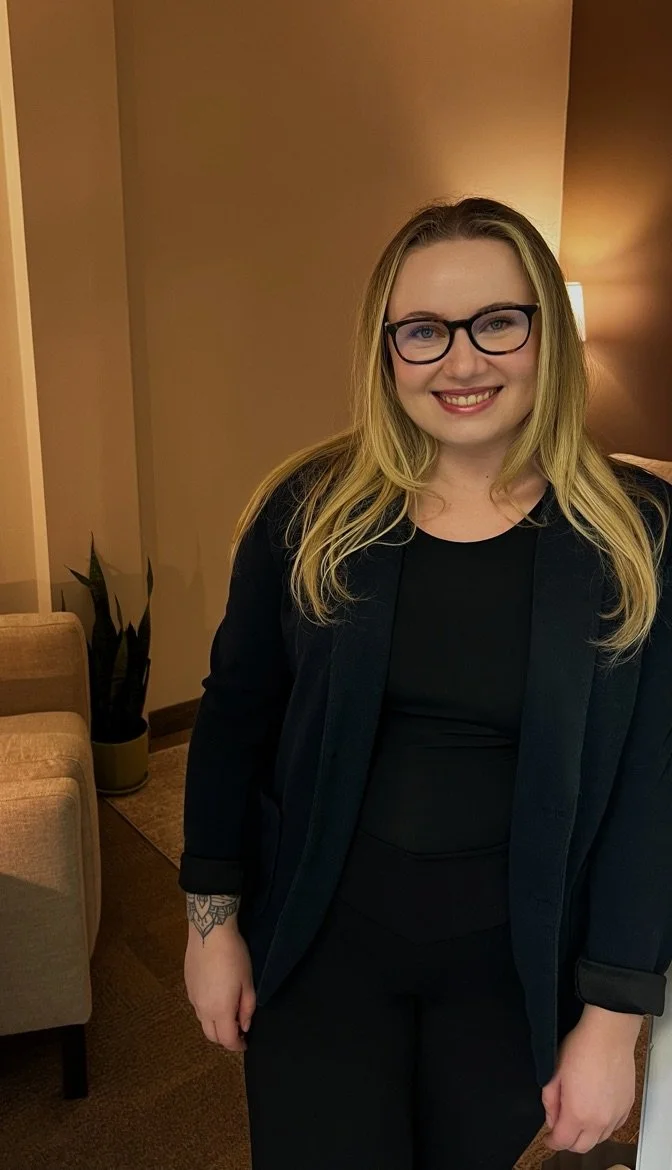
MSc, RSW (She/her)
“Healing is not about fixing what is “broken”—it's about integrating what has been fragmented and reclaiming what has always been yours.”
Hi and welcome to Inner Sanctuary Trauma Therapy!! My name is Carly, and I’m the owner and therapist at Inner Sanctuary. I’m so glad you’re here! Here’s a little about me:
I am a strong believer that each person is unique and requires a holistic approach to healing. My style of therapy focuses on building a strong therapeutic relationship with my clients in order to create safety amidst healing from deep trauma and attachment wounds that can keep you feeling stuck. I believe that every person has an innate capacity for growth, resilience, and connection, and that therapy is a collaborative space to rediscover that inner strength. Whether you're feeling stagnant, overwhelmed, or simply seeking greater self-understanding, I offer a space that is warm, nonjudgmental, and attuned to your pace. I also love to sprinkle in a little humour— we may as well laugh while working through the hard shit!
As someone with both lived and professional experience, I offer a unique, empathetic and evidence-based approach to healing trauma and attachment wounds. I “get it” from a personal perspective— past experiences can start feeling like they are running your life, even though these traumas may have happened years ago! You may even have self-awareness of when your trauma triggers are occurring, yet somehow they are still taking over no matter how many “skills” you learn to try and manage these reactions… and it’s beyond frustrating. Allow me to guide you to a life where you have full control over, and where you can leave your traumas in the past where they belong!
Not Just “Talk Therapy”
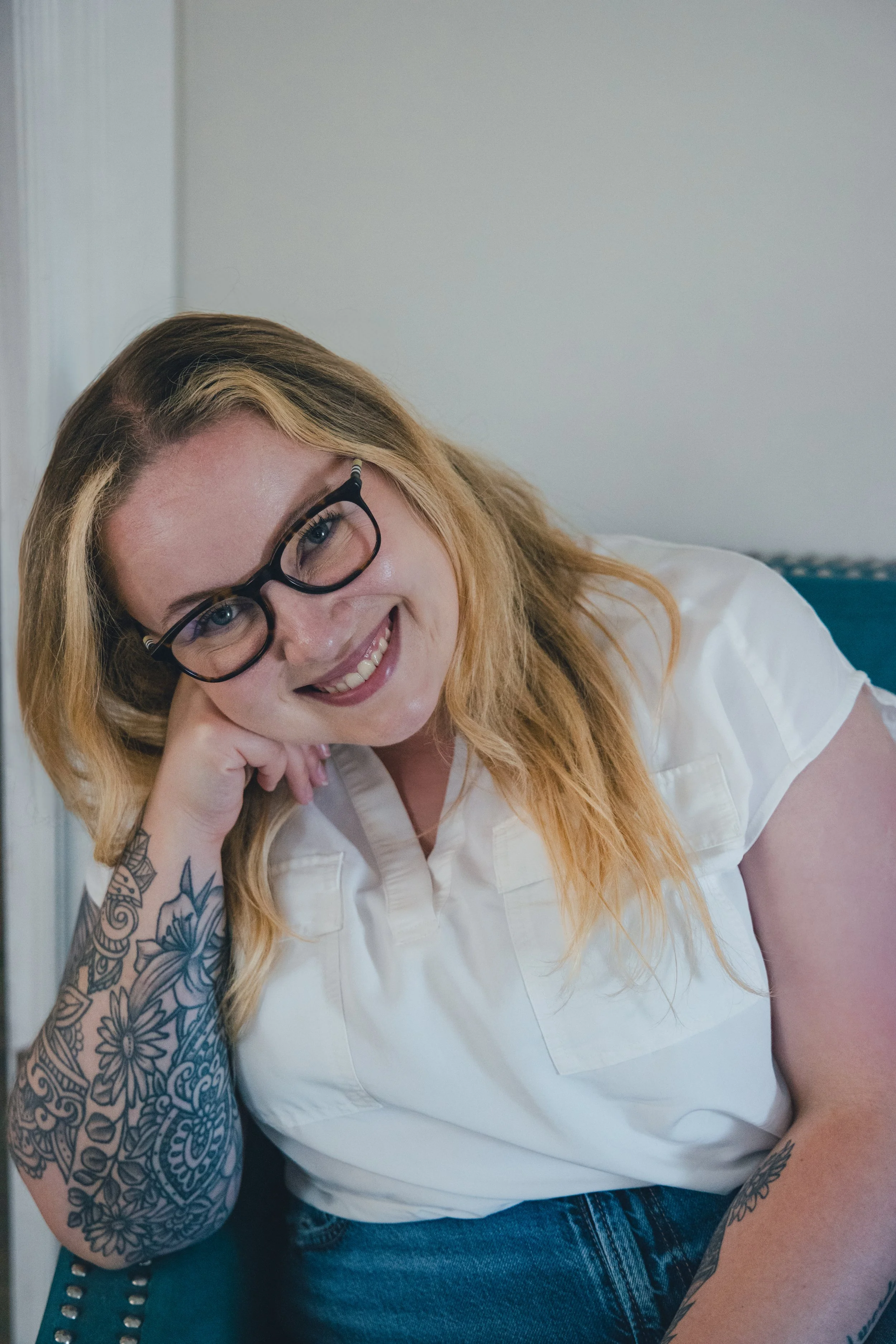
My work is grounded in compassion, presence, and deep respect for your lived experience. As part of the 2SLGBTQIA+ community and ally to the First Nations, Inuit & Metis (FNIM) community, I have a strong recognition of systemic trauma and intergenerational trauma, and the role it plays in a persons self-worth and the ability to have healthy connection with others. I specialize in working with individuals navigating the effects of trauma, including complex and developmental trauma, domestic violence and intimate partner violence, attachment wounds, and life transitions.
Since trauma remains stuck in the body, we can’t just “talk our way out” of it— traditional talk therapy cannot access the parts of the brain needed to truly heal your traumatic experiences. That being said, I use a “bottom-up” approach to healing that incorporates all parts of the self— accessing both the body & the emotional brain; gently asking the intellectual brain to “take a step back”.
Here’s a little bit of information on the main approaches I use:
-
IFS therapy is a form of talk therapy that views the mind as made up of different “parts,” such as anxious, critical, protective, or wounded parts, each trying to help in its own way. Instead of judging or suppressing these parts, IFS helps people understand them with curiosity and compassion, while strengthening a calm, grounded self. The goal is to reduce inner conflict, heal emotional wounds, and create a healthier internal balance.
-
EMDR therapy is a type of therapy designed to help people process and heal from distressing or traumatic experiences. During EMDR, a therapist guides the person in recalling difficult memories while using side-to-side eye movements, tapping, or sounds, which is proven to help the brain reprocess stuck memories in a less emotionally overwhelming way. The goal is to reduce the emotional intensity of traumatic memories and help people develop healthier thoughts, feelings, and reactions.
-
ITATM is a holistic, attachment-focused approach that helps make sense of how early experiences have shaped the way you see yourself, others, and the world. It combines trauma-informed strategies with relational work to create a sense of safety, trust, and connection—both within yourself and in your relationships. Together, we explore the patterns your nervous system learned over time and gently shift them toward ones that feel calmer, safer, and more supportive. ITATM helps you build a stronger internal foundation so you can move through life with more security, confidence, and self-understanding.
-
Attachment-based therapy is a form of therapy that focuses on how early relationships with caregivers shape a person’s emotional patterns, sense of safety, and relationships later in life. This form of therapy helps people understand attachment styles and how these patterns may affect trust, intimacy, communication, and emotional regulation. Through a supportive therapeutic relationship, the goal is to build healthier ways of connecting with others and responding to emotional needs.
-
Somatic Therapy is a type of therapy that focuses on the connection between the mind and body, helping people notice and process physical sensations linked to stress, trauma, and emotions. Instead of working only through talking, somatic therapy may include techniques such as breathing exercises, grounding, movement, and body awareness to help release tension and regulate the nervous system. The goal is to improve emotional well-being by addressing how traumatic experiences are stored and expressed in the body.

My Experiences
Education:
Master degree in Clinical Mental Health Counselling (MSc.)
Bachelor degree in Social Work (BSW)
Minor in Psychology
Diploma in Social Service Work (SSW)
Training:
Trained Eye-Movement Desensitization and Reprocessing (EMDR) therapist
Trained Integrative Attachment and Trauma Treatment Model (ITATM) therapist
Trained Cognitive Behavioural Therapy (CBT) & Dialectical Behavioural Therapy (DBT) therapist
Work Experience:
Group Home Youth Worker
Child Protection Worker
Family Enrichment Worker
Addictions Counsellor
Mental Health Crisis Counsellor
Trauma and Attachment Counsellor
University Counsellor
Child & Youth Mental Health Therapist
Domestic Violence Intervention Advocate
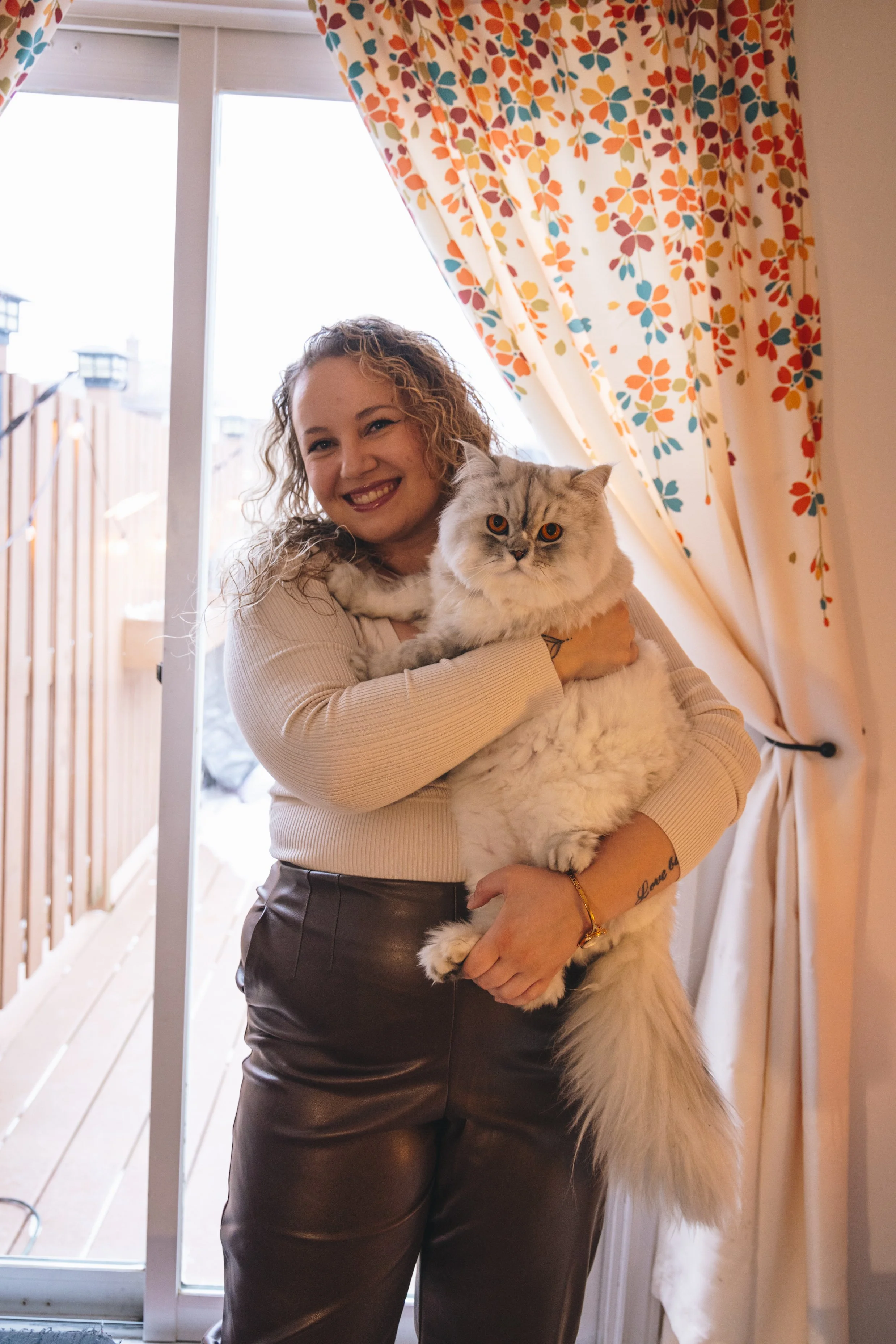
One of the ways I engage in self-care is spending time with my pets. Say hi to Everest!
I’d love to hear about the ways you add self-care to your day. P.S. your furry friends are always welcome in our sessions :)